

Healthy breathing, strong oral function, and balanced muscle habits all play a major role in long-term wellness — far beyond just your smile. As your trusted dentist in Fairhope, Dr. Chase Williams offers myofunctional therapy, a series of guided exercises and habit-training techniques that help the tongue, lips, cheeks, and facial muscles work the way they’re meant to.
Whether you’re noticing speech challenges, mouth breathing, swallowing issues, orthodontic relapse, or concerns with your child’s oral development, myofunctional therapy provides a gentle and effective path toward healthier function for both kids and adults.
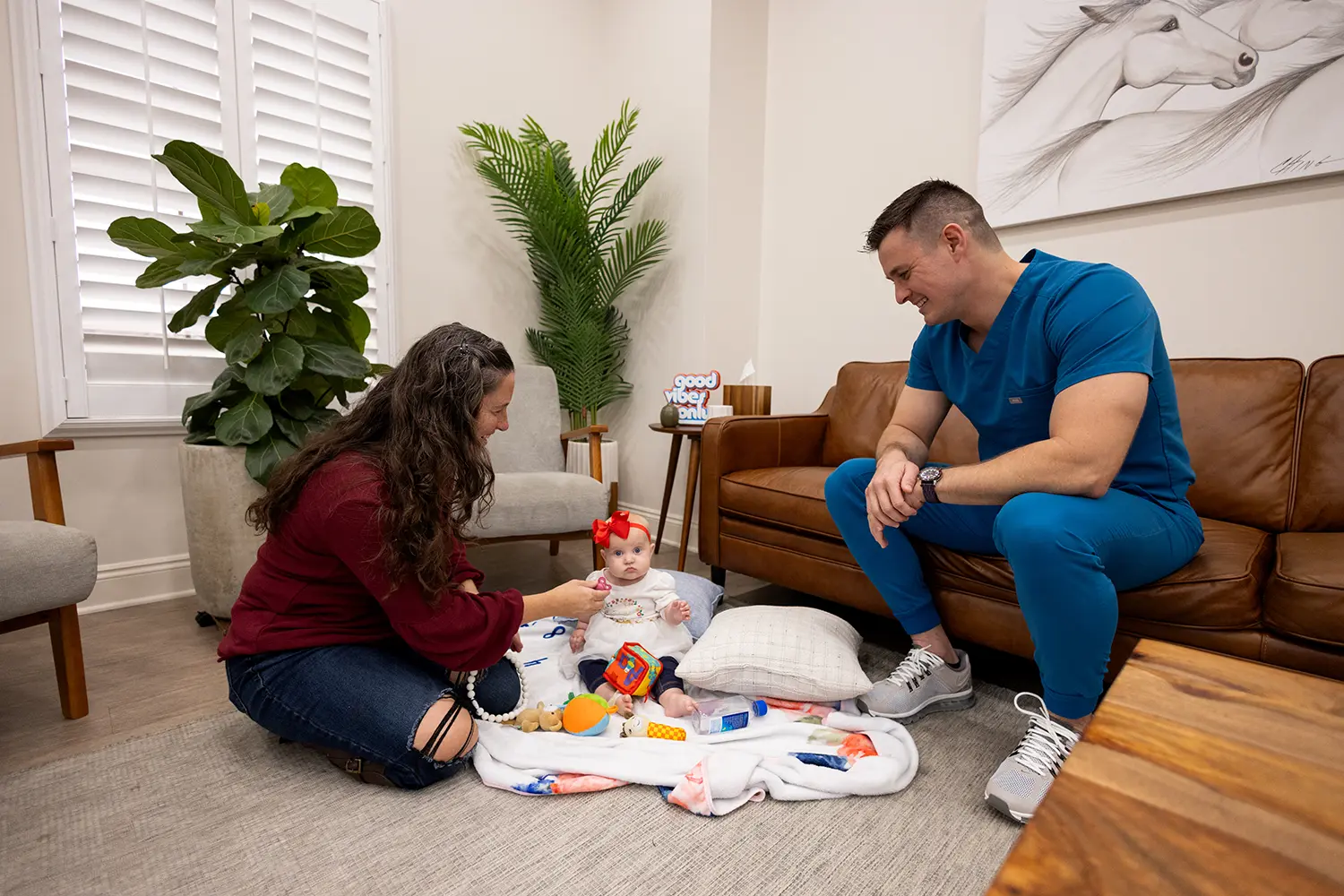
Myofunctional therapy is a non-invasive program focused on retraining the muscles responsible for:
Most people don’t realize how much these muscle patterns affect daily life — but poor habits like mouth breathing, low tongue posture, and improper swallowing can impact facial development, sleep quality, digestion, orthodontic stability, and more.
Through simple, targeted exercises, myofunctional therapy gently teaches the muscles to work correctly, creating long-term improvements in comfort, appearance, and function.
Orofacial Myofunctional Disorders occur when the muscles of the mouth and face develop unhealthy patterns. These habits can be subtle but often lead to noticeable symptoms, including:
Over time, OMDs can contribute to orthodontic problems, speech concerns, facial growth changes, and even behavioral challenges associated with poor sleep and improper breathing.
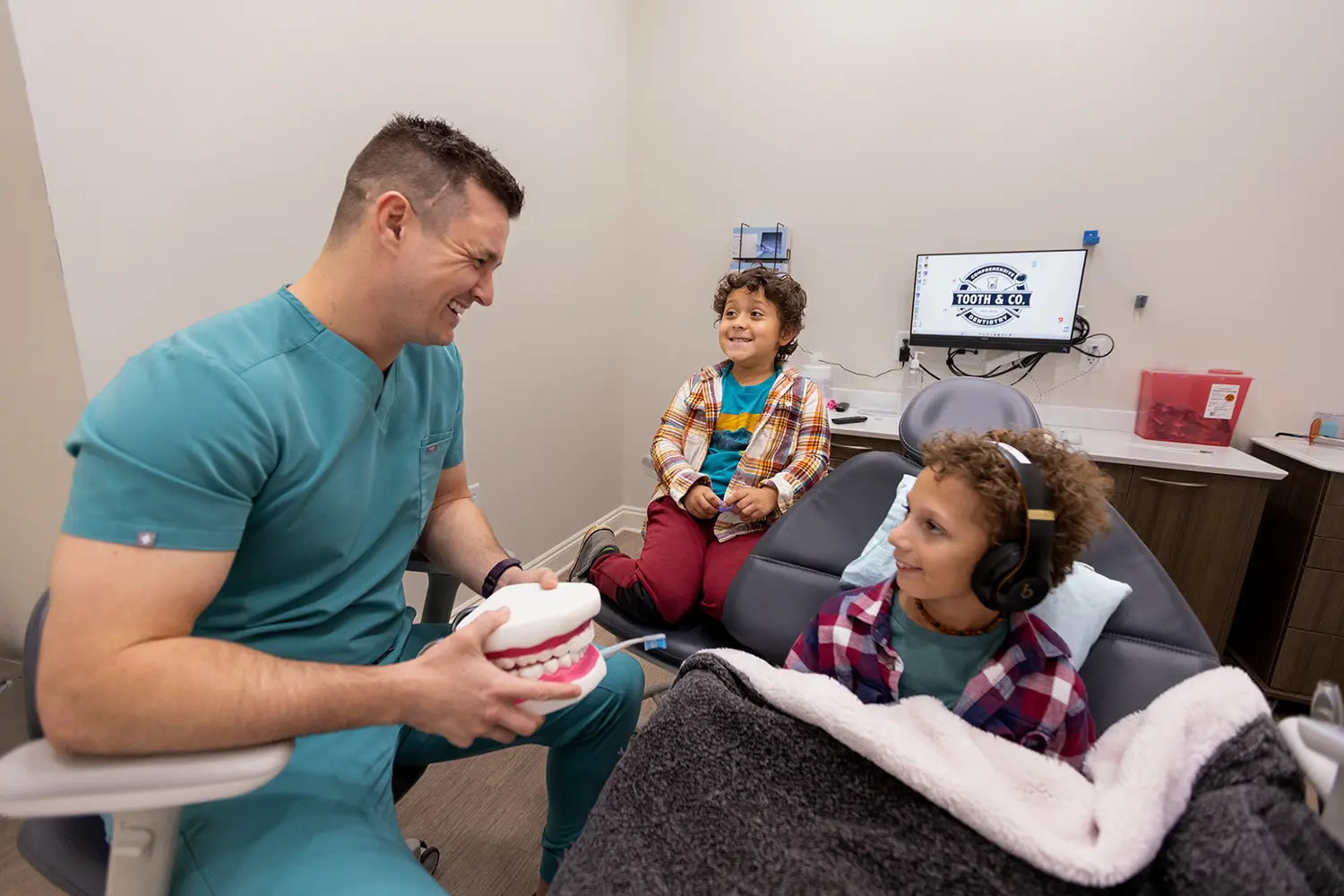

Myofunctional therapy is helpful for:
Because therapy focuses on retraining the muscles rather than managing symptoms, benefits often last a lifetime.
Myofunctional therapy can improve:
Better Breathing
Transitioning from mouth breathing to nasal breathing increases oxygen intake, supports better sleep quality, and reduces snoring.
Improved Swallowing Patterns
Therapy helps create a coordinated, healthy swallow that reduces strain, improves comfort, and supports proper digestion.
Clearer Speech
Correcting tongue posture and muscle coordination can make articulation easier and speech more precise.
Stronger Orthodontic Stability
Addressing muscle habits is key to keeping teeth aligned after braces or aligners.
Healthier Facial Growth in Children
Proper tongue and muscle posture support natural jaw development and balanced facial structure.
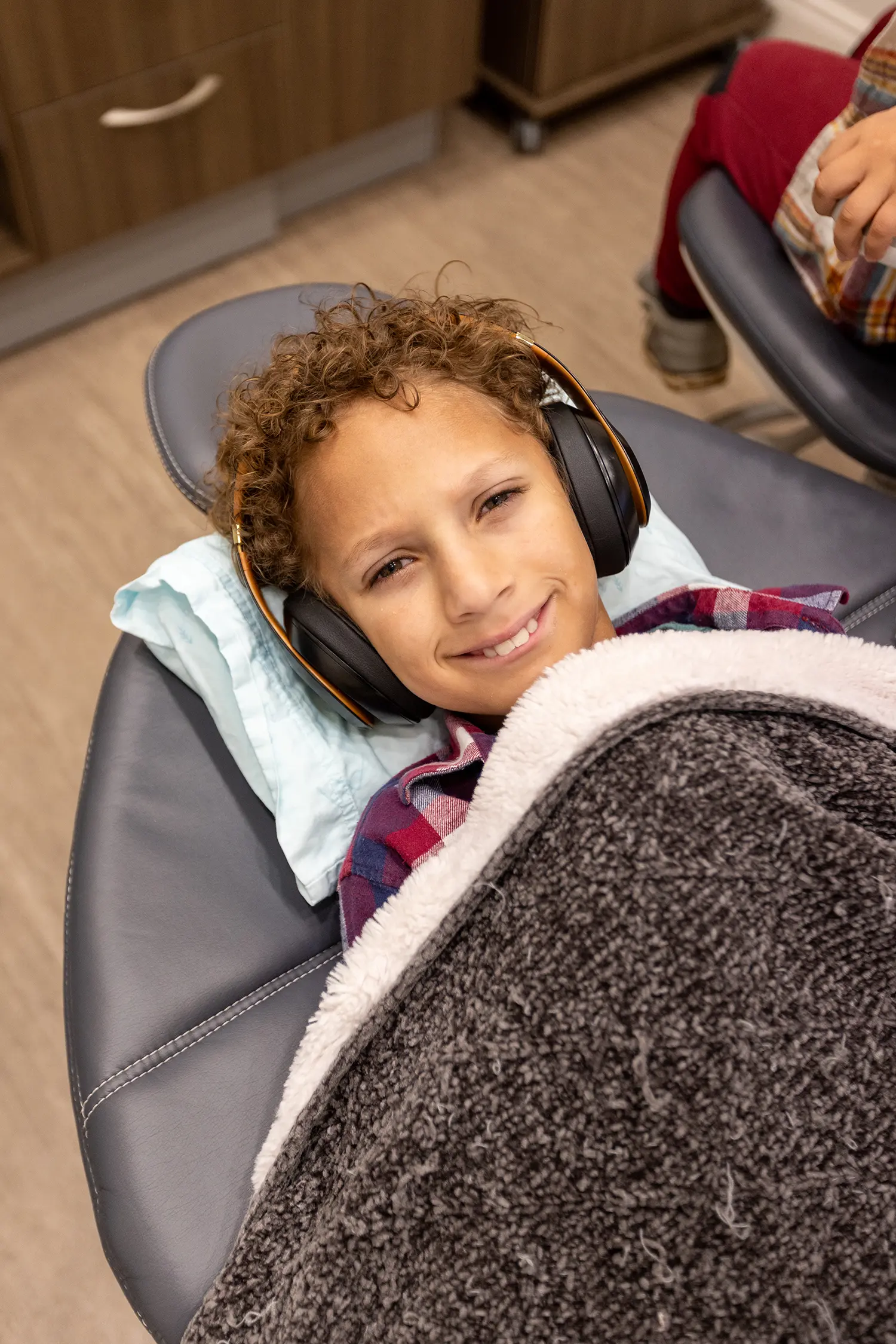

Patients choose us because we offer:
Our goal is not only to improve oral function but also to help each patient feel more confident, comfortable, and in control of their overall health. Learn more from our dentist in Fairhope today.
Many patients don’t realize they have an orofacial myofunctional disorder because the symptoms can look like everyday habits — mouth breathing, snoring, messy eating, speech challenges, or an open-mouth resting posture. Other signs may include poor sleep, orthodontic issues that keep coming back, difficulty swallowing, or a tongue that always rests low in the mouth.
If you notice any combination of these symptoms, an evaluation can help determine whether an underlying muscle pattern is contributing to the problem.
No. Myofunctional therapy is gentle and completely non-invasive. The exercises are simple, often taking just a few minutes a day, and are tailored to your age and abilities. The goal is not to “exercise harder,” but to retrain muscles consistently and correctly. Most patients describe the process as surprisingly easy — and even fun for kids.
Children as young as four or five can often begin therapy if they can follow simple instructions. Early intervention is ideal because it can influence facial growth, breathing habits, jaw development, and orthodontic outcomes. However, teenagers and adults benefit just as much — it’s never too late to retrain oral function.
Yes. Many sleep concerns — especially snoring and restless sleep — are linked to poor tongue posture or weak airway muscles. Myofunctional therapy strengthens the tongue and encourages nasal breathing, which can significantly improve airflow at night. While it may not replace medical sleep treatments, it plays a valuable role in improving airway function and sleep quality.
Often, yes. Clear speech requires proper tongue placement and coordinated oral muscles. When the tongue is low, forward, or restricted, certain sounds become difficult to make. By improving tongue posture, breathing, and muscle control, many patients see noticeable improvements in clarity and pronunciation. Some may still benefit from working with a speech therapist, but therapy often enhances and accelerates progress.
If you’re concerned about breathing habits, tongue posture, swallowing difficulty, or your child’s oral development, we’re here to help. Myofunctional therapy is gentle, effective, and designed to create long-term change.
Call Tooth & Co or request an appointment online to schedule your consultation with Dr. Chase Williams.


